

RESTRICTED ARCHIVE
閲覧にはパスワードが必要です
パスワードが違います
FUKU WO HORU DIGITAL ARCHIVE
This page is a restricted digital archive — prepared for those who own the book Fuku wo Horu and hold the password to open it.
The pattern data collected here are structural records. Each one comes from a vintage garment we physically deconstructed, observed, and analyzed through the practice of Fuku wo Horu. They are kept as found.
These are not finished blueprints. Not patterns optimized for reproduction. They are traces of process — carrying the thinking of craftsmen, the constraints of their era, the logic and the compromises of a particular moment in time. We have left them largely untouched, by intention.
New data will be added here irregularly — but steadily — as research continues and findings accumulate.
Come back occasionally. Watch it grow.
There is one thing worth telling you, before you go further.
We tried selling pattern data once. For about a month, online.
And almost immediately, something became clear: this could be a real business. A serious one. Build the archive large enough, and it would be untouchable.
But alongside that clarity came a persistent discomfort — one we couldn't reason our way out of. Taking the forms that craftsmen once made and placing them on a shelf as products felt like consuming history. Not studying it. Not honoring it. Consuming it. We stopped.
Here is what concerned us most: if selling vintage patterns became established as easy, profitable work, what would follow? Careless deconstruction. Or worse — people faking the process entirely, lifting shapes without ever touching a seam.
And something more would be lost. The act of sampling a garment — sitting with it, understanding it, then asking how would I make this, now, as myself — that is where creativity actually lives. The making that comes out of genuine study. We cannot afford to let that go.
A world without that friction is not interesting to us. Not even slightly.
The patterns here are not optimized for replication or commercial use. They are research records — corrected only where necessary, while preserving as much of the original distortion, warping, and period-specific reasoning as possible. Not every pattern in this archive was made with production in mind.
If you find errors, inconsistencies, or anything worth noting — please tell us. This is not a finished place. It is a place that continues to be updated.
The data here is shared in trust. It was never intended for redistribution or commercial application. We ask only that you approach it with respect for the context and time from which it came. Quietly. Carefully.
It is our sincere hope that this archive deepens your curiosity — about making, about thinking, about what clothing carries across time.
We once turned down a business to protect this place.
Now we leave it in your hands.
Please, go ahead.
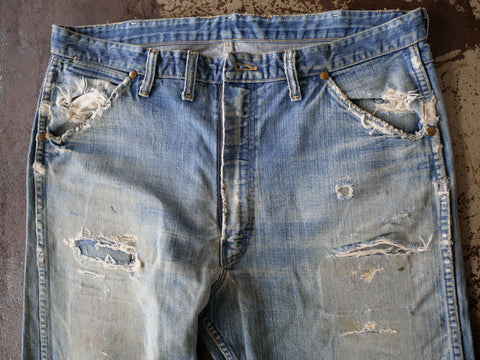
Work Tops
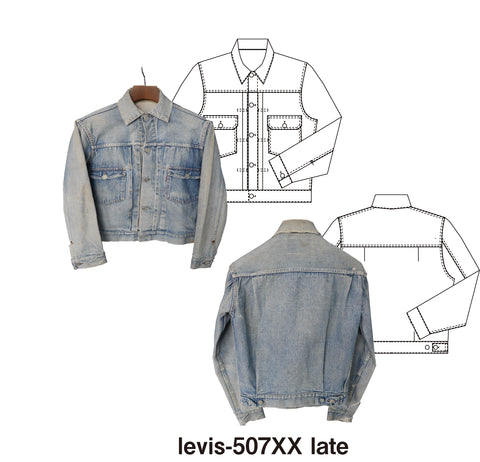
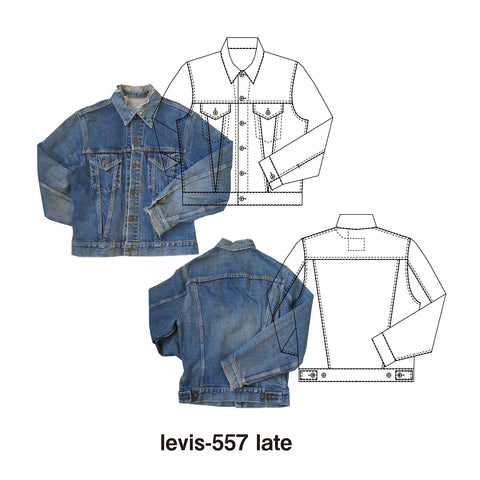
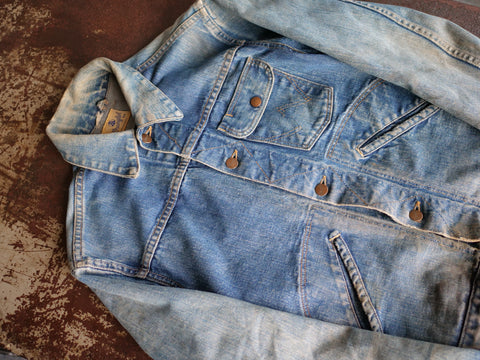

Work Bottoms
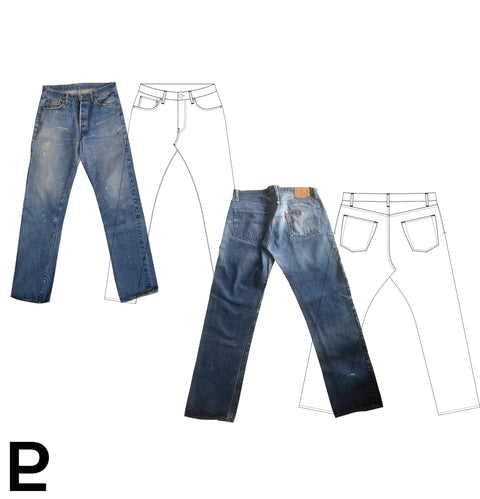
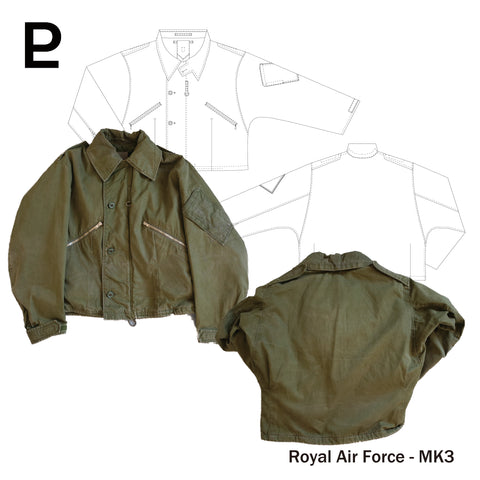
Military Tops
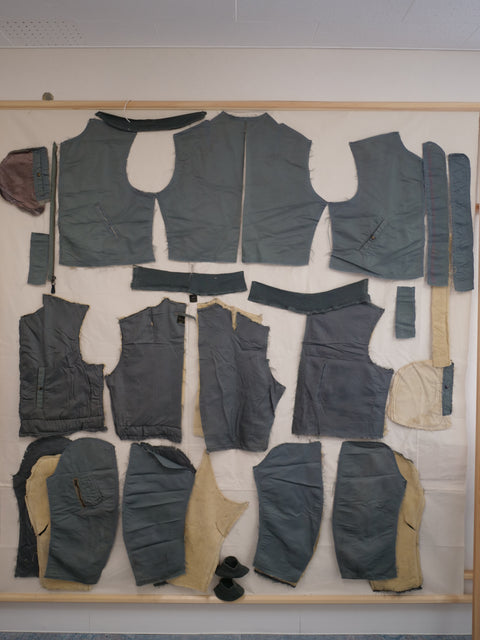
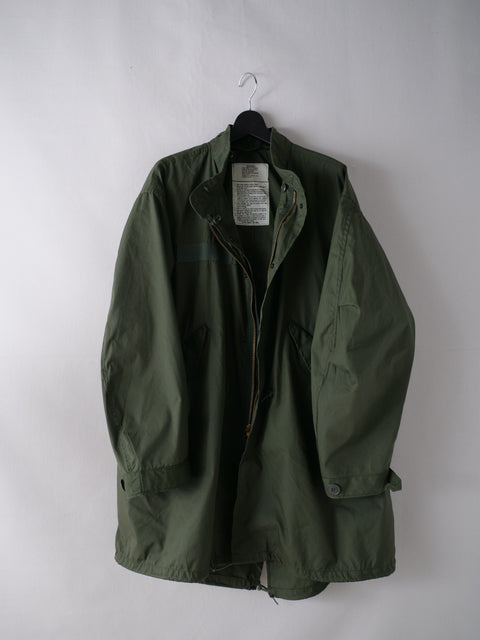
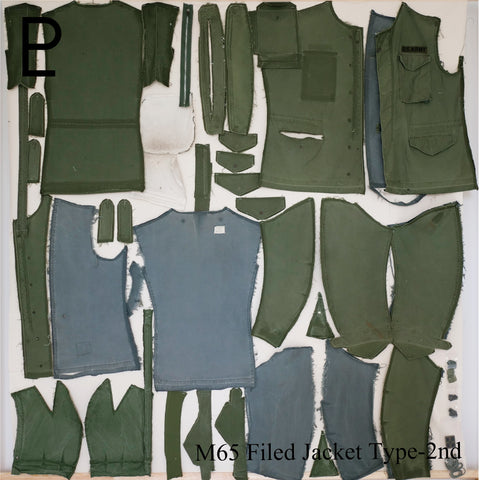
Military Bottoms
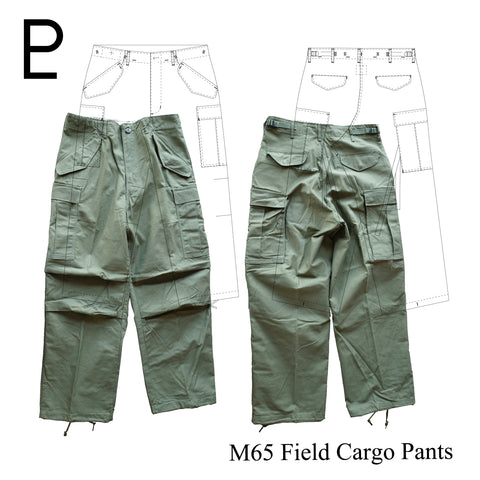
This archive exists because I wanted you to use what I've dug up — even if it meant walking away from the temptation of easy business. I'll be honest with you. There are times this place goes quiet, buried under the weight of everything else.
And if you've spent any time here, you've probably already sensed it: I'm not good at business. I still haven't figured out how to make the work of Fuku Wo Horu sustain itself financially.
If what we do reaches more people — if the funding to keep researching just naturally finds its way to us — this place will stay exactly as it is.
But if it doesn't, the shape of this place might change.
Either way, the act of digging will continue. Only the form changes.
And even if the form changes, even if it looks like I've bent my principles — I will never bend my beliefs.
When that time comes, I'll tell you straight. And when it does, I'll need your help.
For now, I'm running full speed toward the next exhibition — Fuku Wo Horu vol.6.
See you there.